

The evidence of the birth of the Parusso estate can be witnessed in a still existing contract outlining the purchase of a parcel of “Mariondino” by Gaspare Parusso in 1901, which he then planted with the Nebbiolo grape to sell to friends and local cooperatives. In 1971, Gaspare’s son Armando began to recognise the potential in these Monforte d’Alba vineyards and so he began bottling his own namesake wines, which the estate stays faithful to today. Armando eventually passed along the reins to his son Marco in the 1990s which is when the true innovating began at Parusso.
Marco began by eliminating conventional chemicals in the vineyard and dramatically reducing the production yields as well as modernising the winery and cellars. He chooses to harvest as late as possible before allowing the fruit to rest for several days in a ventilated room at ambient temperature before being crushed. This was apparently the technique employed by the Romans in order to allow the grapes to “relax,” softening the tannins significantly. All of his single vineyard Barolos are fermented with wild yeasts and 100% whole bunches, which although is becoming more and more commonplace in Burgundy once again, is still considered very unusual in Barolo. A maceration of up to 50 days follows before being pressed and moved into new oak barriques with the addition of sedimentary lees, an essential technique which he feels balances any potential oxidising effect of the barriques.
Marco cites pioneers of Barolo such as Domenico Clerico, Alfredo Roagna and Aldo Conterno as his inspiration and today it is apparent that they in turn welcome him into their esteemed ranks as a fellow peer. His Monforte neighbour Giacomo Conterno, winemaker today at Aldo Conterno, has previously stated in the Wine Spectator’s profile of Parusso, “Marco’s techniques are very unusual but smart […] In this moment, many Barolo producers are saying that the tannic structure and aromas of Nebbiolo could be more complex. And people are looking more and more to the experiments of people like Marco.”
Available Wines
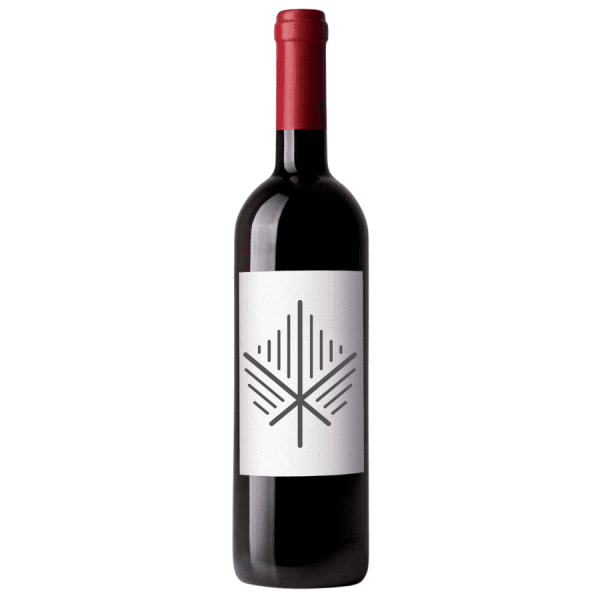
2004 Parusso, Barolo, Bussia Rocche 6x75cl
1997 Parusso, Barolo, Piccole Vigne 12x75cl

2021 Parusso, Barolo, Bussia 6x75cl


